Water on the floor cannot wait for morning.
Water Damage Restoration Lancaster, SC
24/7 water damage restoration in Lancaster, SC. The restoration team pulls standing water, dries crawl spaces, walls and floors to the IICRC S500 standard and documents every step for your insurance claim.
What to do while the water is still moving
Shut off the water at the main valve, usually near the meter, the water heater or where the pipe enters the crawl space. For a toilet or appliance, close its own supply valve.
Stay out of standing water near outlets, cords and the breaker panel. Turn the power off at the panel only if you can reach it from a dry spot.
Photograph the damage before anything moves, lift rugs and furniture off wet floors, then call. Extraction and a moisture map come first.
Water Damage Restoration Services in Lancaster, SC
From a crawl space full of storm water to a ceiling soaked by an attic air handler, the local restoration pros handle the whole job: extract, dry to the IICRC S500 standard and document it for the claim. Each service fits how Lancaster houses and businesses actually take on water.
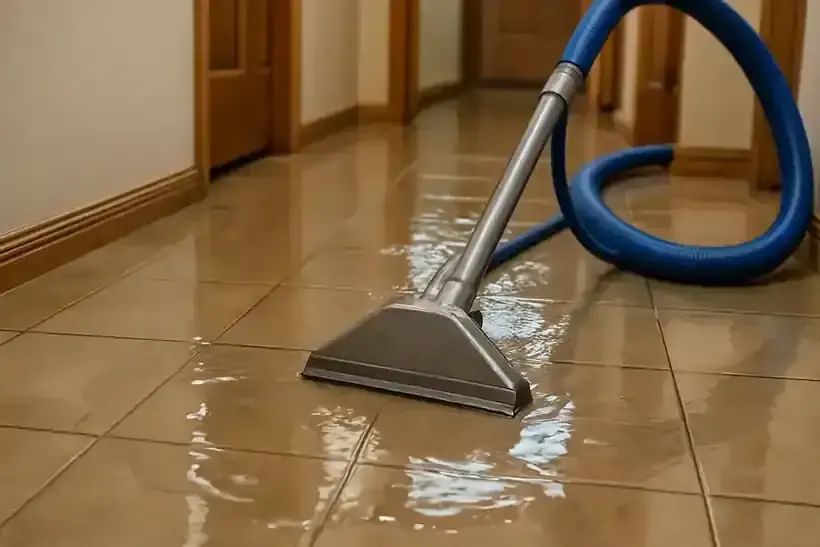
Water Extraction and Removal
Truck-mounted and portable units pull standing water off carpet, hardwood and tile before it wicks into walls and subfloor.
View the service ›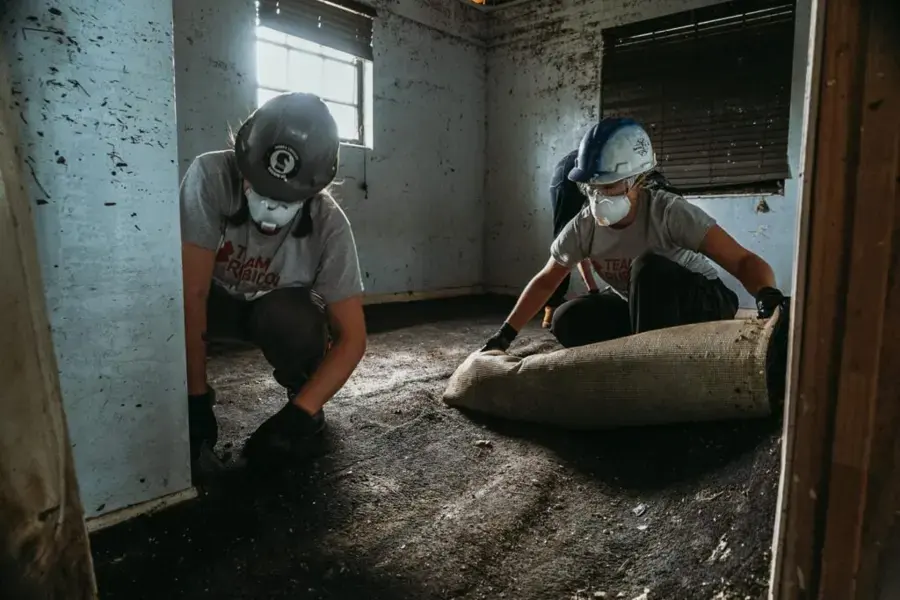
Storm and Flash Flood Cleanup
Storm runoff and creek water get treated as contaminated: mud out, wet materials removed, the structure dried.
View the service ›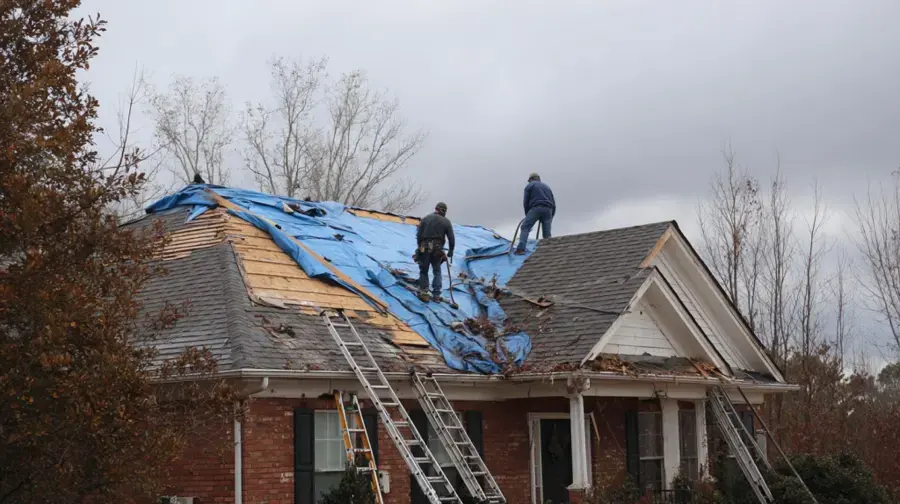
Roof Leak Water Damage
Wind-driven rain through flashing, vents and damaged shingles gets tarped, and the attic and ceilings below get dried.
View the service ›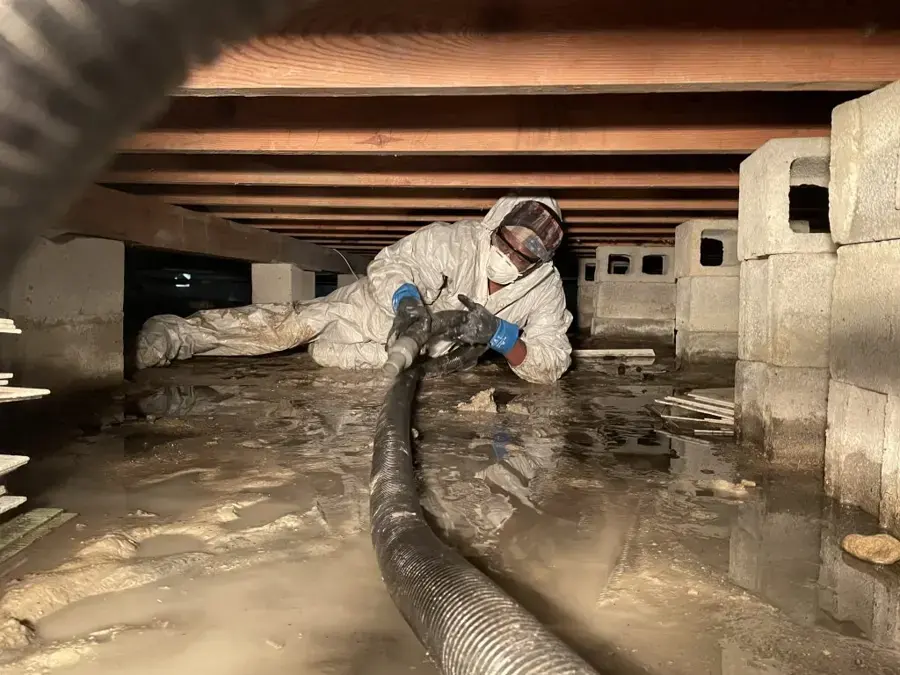
Crawl Space Water Removal
Water under a raised floor gets pumped out, the wet vapor barrier replaced and the joists and subfloor dried.
View the service ›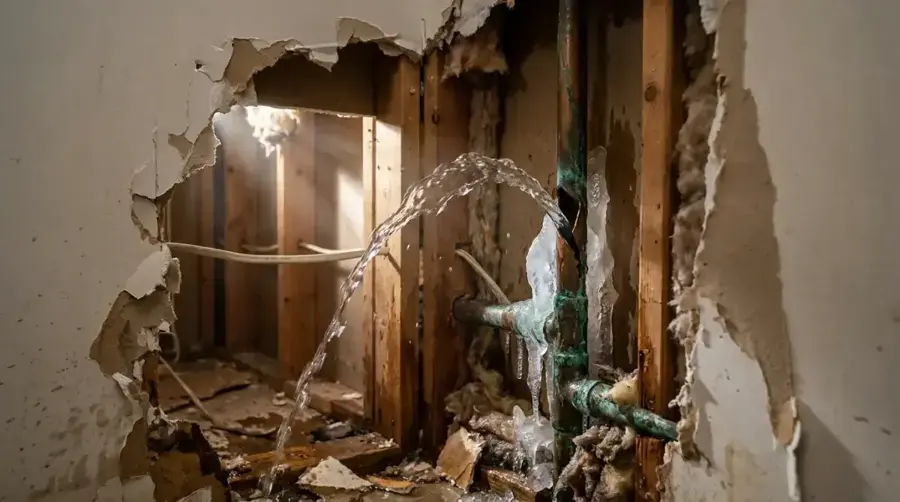
Burst Pipe Water Damage
Supply pipes that let go inside walls and ceilings get extracted, opened where needed and dried with daily readings.
View the service ›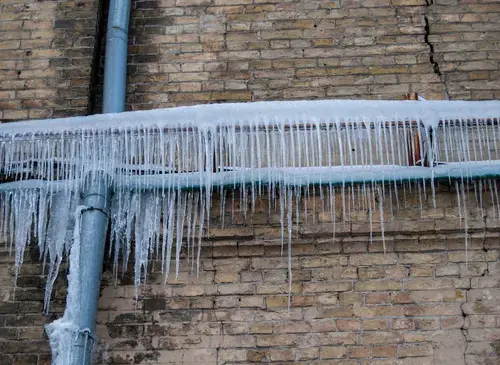
Frozen Pipe Water Damage
A hard freeze splits pipes in crawl spaces and outside walls, and the drying team handles the water the thaw releases.
View the service ›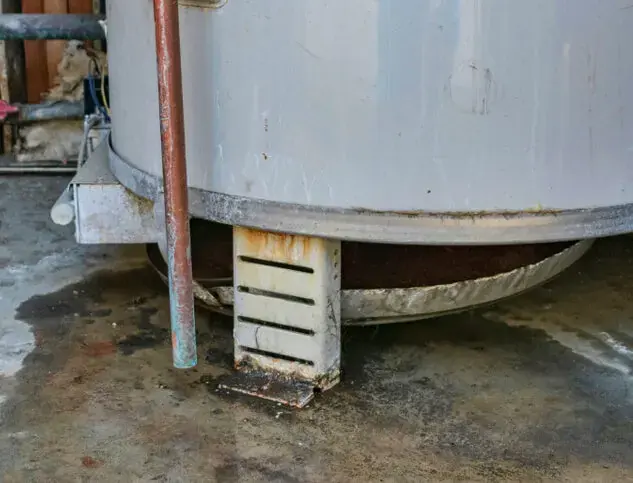
Water Heater Leak Cleanup
A failed tank in a closet, garage or laundry room gets cleaned up before the flooring and walls soak through.
View the service ›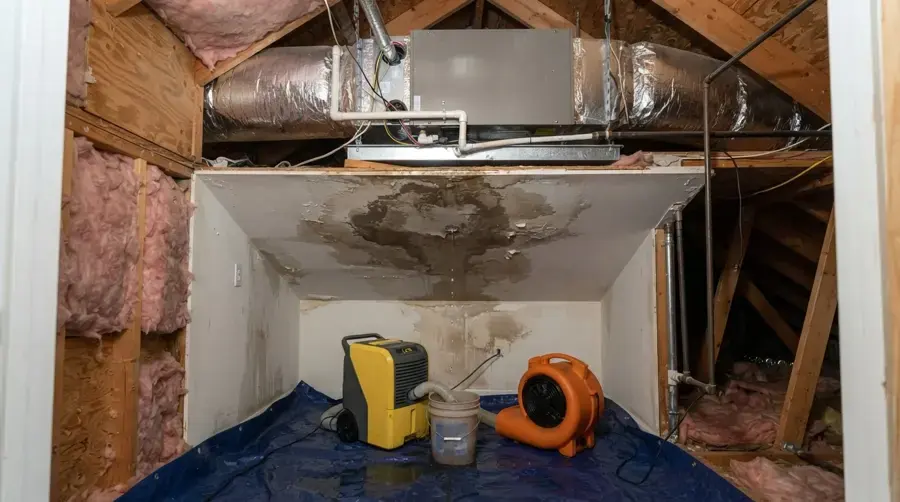
AC and Appliance Leak Cleanup
Overflowing attic air handlers, washer hoses, dishwashers and ice makers get traced and the damage dried.
View the service ›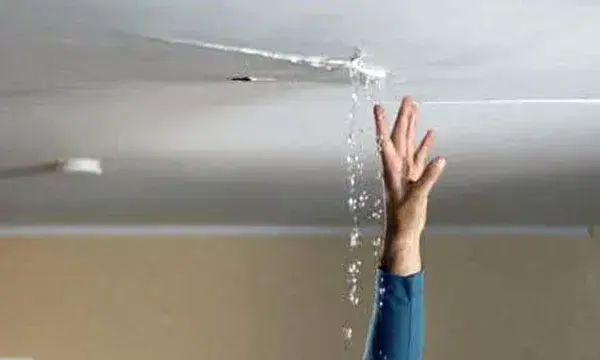
Ceiling Leak Water Damage
A leak from a bath, pipe or air handler above gets traced, sagging drywall opened safely and the joist bays dried.
View the service ›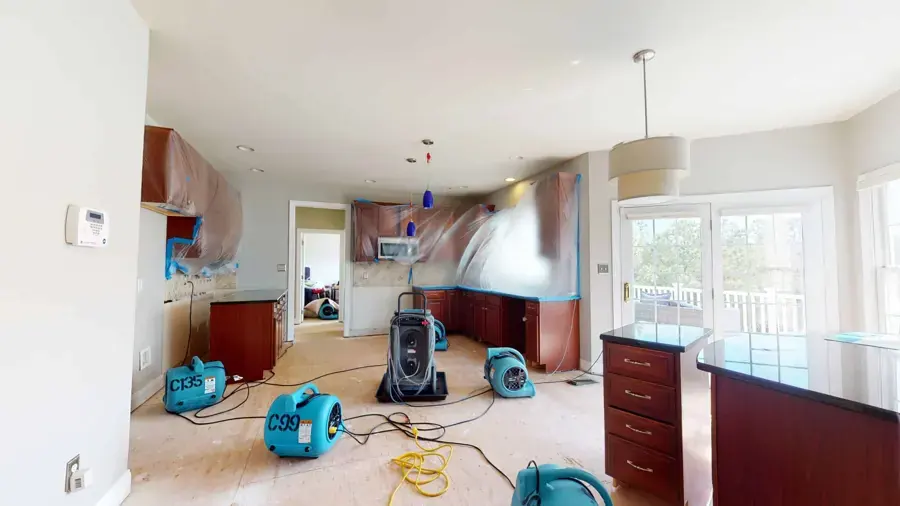
Structural Drying and Dehumidification
LGR dehumidifiers and air movers dry framing, subfloor and drywall to a measured goal, not to a guess.
View the service ›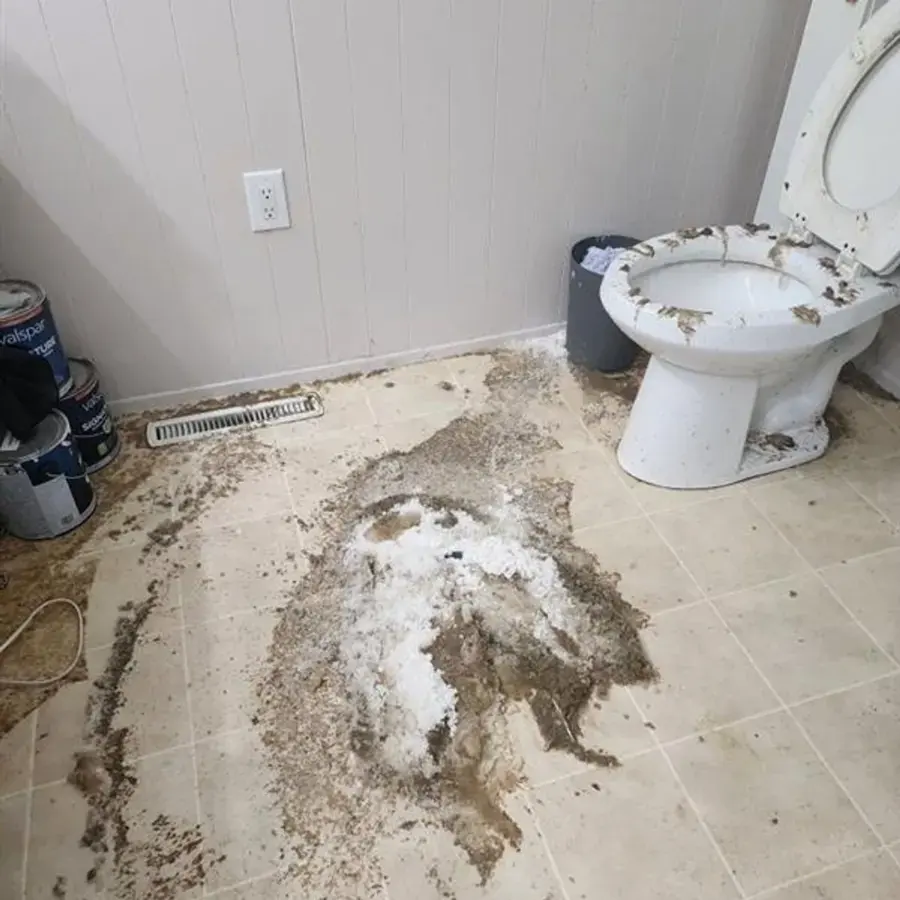
Sewage Backup Cleanup
Toilet, tub and floor drain backups get handled as Category 3: extraction, removal of porous materials, antimicrobial.
View the service ›Commercial Water Damage
Shops, offices, churches and schools in Lancaster get phased drying that keeps doors open while the work runs.
All water damage categories covered in Lancaster, SC
The category of water sets how the job runs. The crew identifies it on the first walkthrough, because it decides what can be dried in place and what has to come out.
Category 1: clean water
A broken supply pipe, a failed water heater or an ice maker hose starts as clean water. Caught early, carpet, pad and drywall can often be dried in place.
Burst pipe water damage ›Category 2: gray water
Washer and dishwasher discharge or an overflowing condensate pan carries soap and bacteria. Pad usually comes out and surfaces get an EPA-registered antimicrobial.
AC and appliance leak cleanup ›Category 3: black water
Sewage, storm runoff and creek water are Category 3 the moment they enter. Porous materials they touch get removed, not dried, and the crew works in protective gear.
Sewage backup cleanup ›Water damage coverage across Lancaster and Lancaster County
The Lancaster restoration crew dispatches 24/7 across the city and the county, from Downtown and the Main Street historic district to Springdale, Elgin, Van Wyck and Heath Springs.
Not on the list? Call anyway. Coverage reaches the communities below and the nearby cities at any hour.
In the city
Lancaster County communities
Towns and places in the county
Across the county lines
Water damage dried to the IICRC S500 standard
IICRC S500 is the industry standard for drying water-damaged buildings. It calls for structural drying, not surface drying: the drying team measures the water inside framing, subfloor and drywall and keeps equipment running until the readings match a dry reference.
Dispatch
Dispatch sends the nearest crew with pumps, extraction units, air movers and meters, at any hour of the day or night.
Find and map
The tech who does the walkthrough stops the source, then maps moisture with meters and thermal imaging to see how far the water traveled.
Extract and protect
The extraction crew pulls standing water with truck-mounted units, sets furniture on blocks and removes what cannot be saved.
Dry and monitor
Air movers and LGR dehumidifiers run to each room's evaporation load, and the drying team logs readings every day.
Document and hand off
The mitigation team closes out with dry readings, photos and an itemized scope, so repairs start on a dry structure.
How a Lancaster water loss is handled, start to finish
Four habits separate a real dry-out from a mop-up. The Lancaster restoration team builds all four into every job.
Rapid local response
Dispatch runs 24/7, and active water in Lancaster is treated as urgent at night, on weekends and on holidays.
IICRC S500 drying standard
Structural drying, not surface drying, with equipment sized to the class of water and checked against a dry reference.
Claim-ready documentation
Timestamped photos before any demolition, a moisture map and daily drying logs go into the claim file.
Local water know-how
Crawl spaces over red clay, hard freezes and attic air handlers are the usual suspects, so the walkthrough checks all three.
What does water damage restoration cost in Lancaster, SC?
Water damage restoration in Lancaster, SC typically costs $600 to $6,500, and sewage or whole-floor losses run higher. The water category, square footage, material class and how fast drying started move the number most.
Small clean-water loss
- One room or a closet, Category 1 water
- Extraction plus three to five days of drying
- Carpet and pad often saved when caught early
Multi-room or crawl space loss
- Several rooms, a crawl space or an opened ceiling
- Some drywall, pad or insulation removed
- Longer drying with daily readings
Large or Category 3 loss
- Sewage, storm runoff or a whole floor
- Containment, removal and antimicrobial
- Priced to the itemized scope
Run the Lancaster cost calculator ›
Ranges are typical, not a quote. The restoration contractor who responds works from an itemized scope your adjuster can check item by item.
Documentation for your insurance claim
The restoration contractor who responds builds the claim file as the work happens, so the adjuster sees what was wet, why it was removed and when it was dry.
Sudden and accidental water, like a burst pipe, is treated differently from flood water and long-term seepage, which often need separate coverage. Coverage depends on your policy, so check with your own insurer.
- Category and class of the loss
- Moisture map from the first visit
- Daily psychrometric drying logs
- Timestamped photos before any demolition
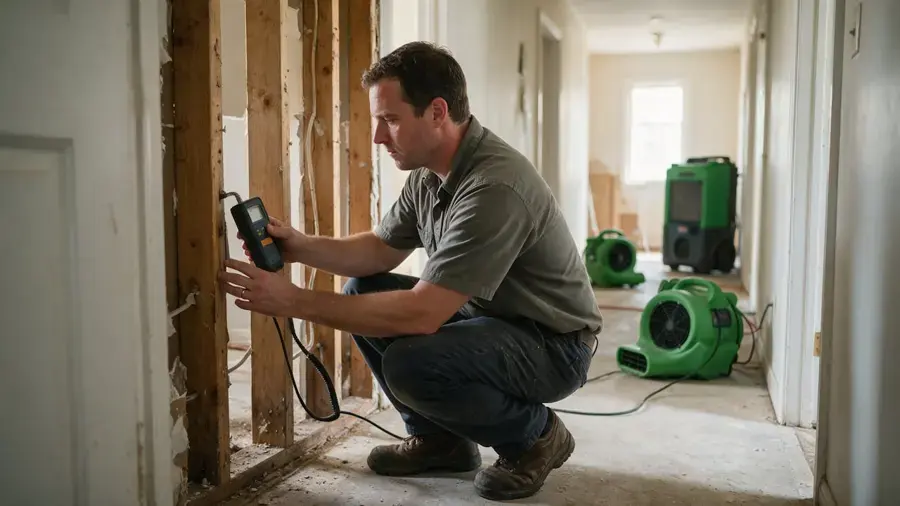
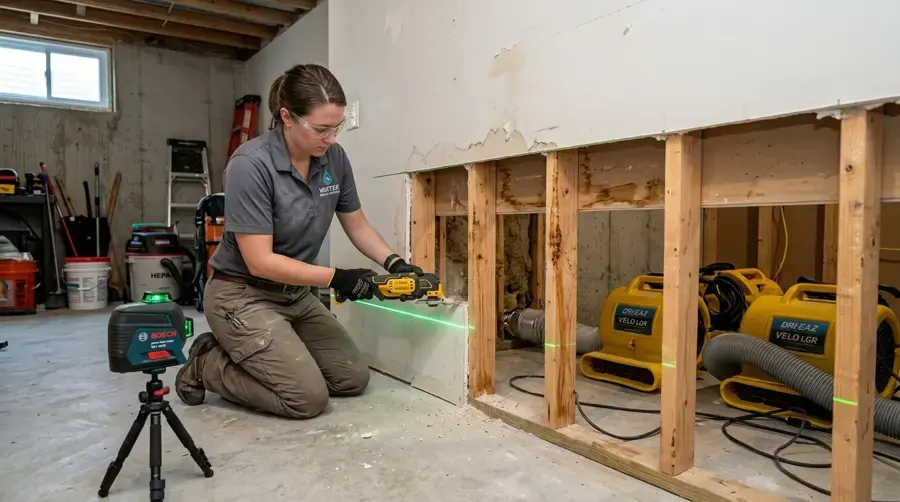
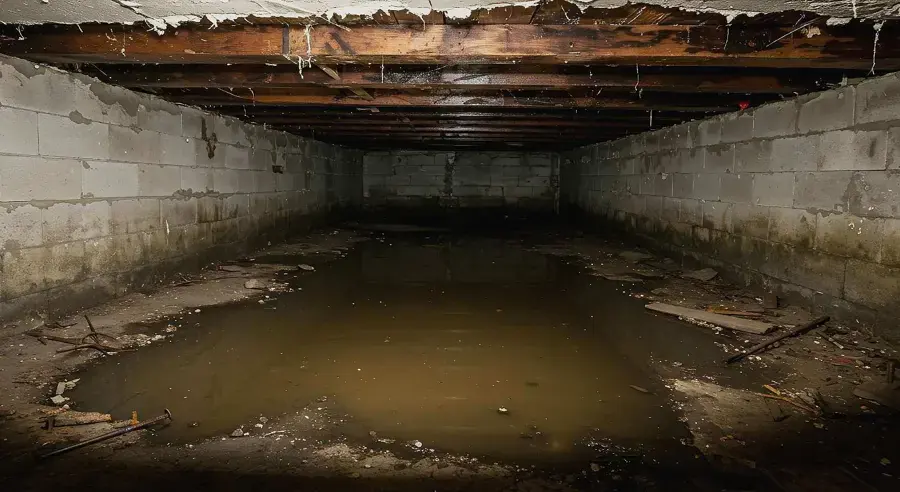
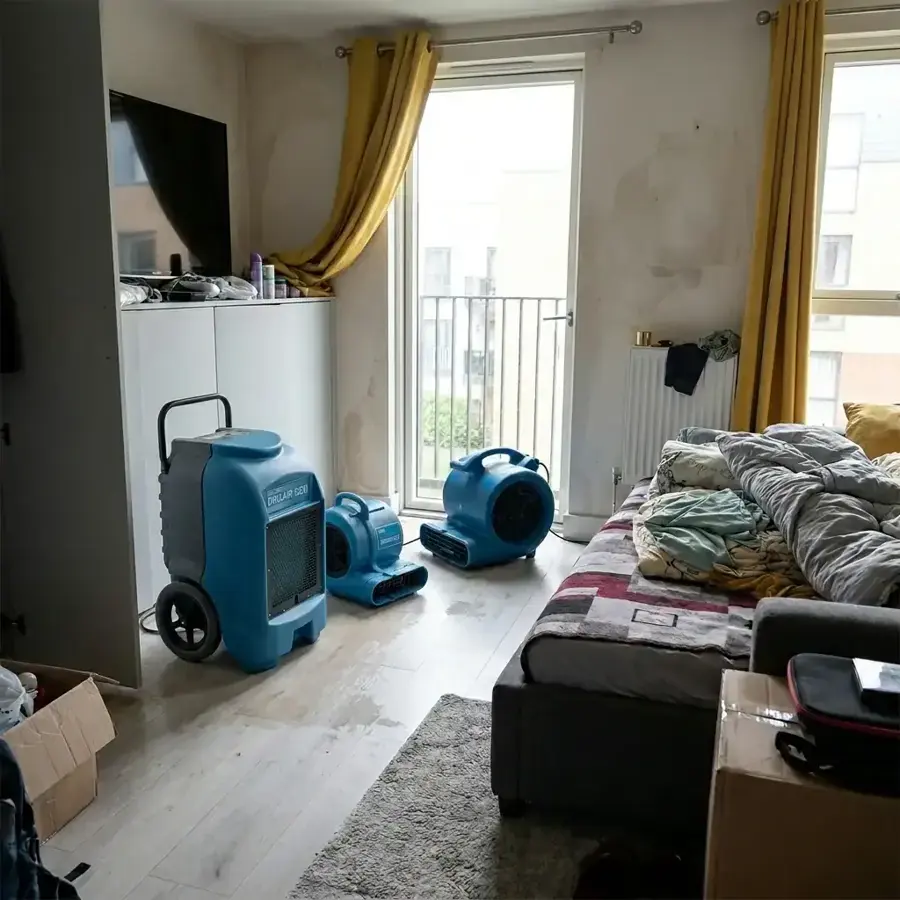
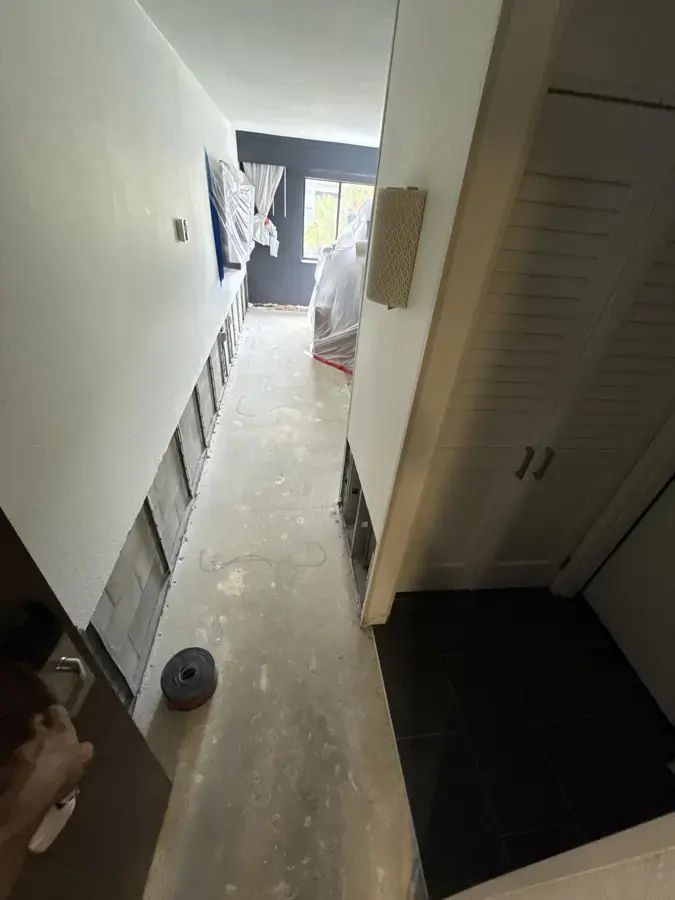
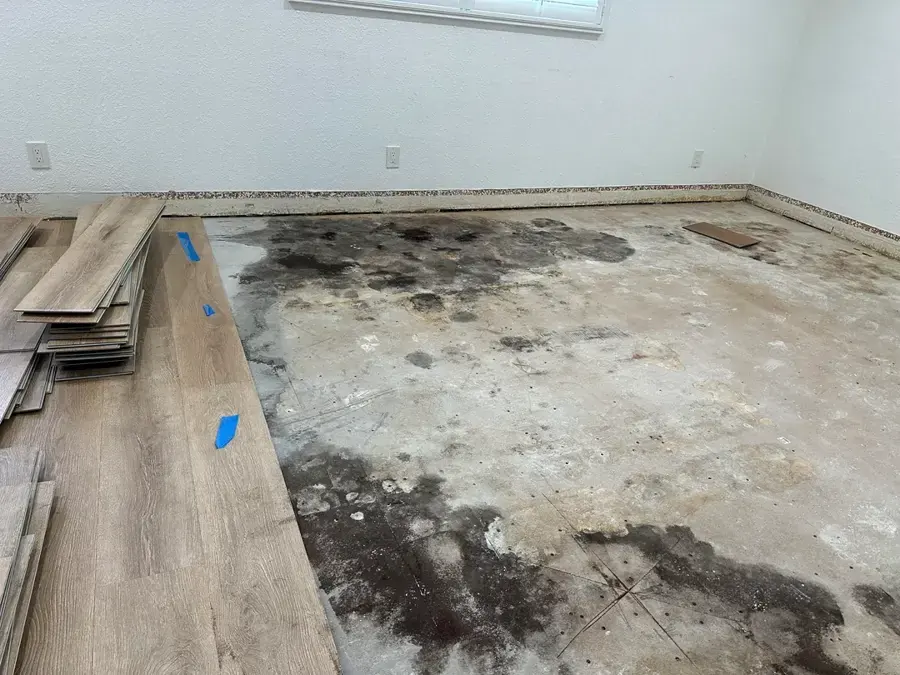
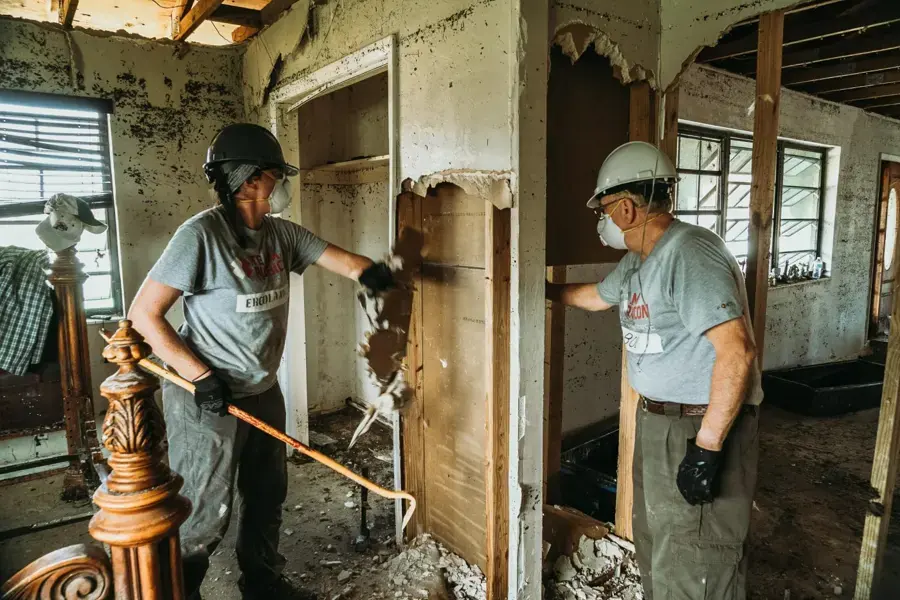
What a water damage dry-out looks like in Lancaster
Moisture meters, flood cuts, crawl space water and drying equipment: the steps of a structural dry-out, from the first reading to the last.

Why Lancaster homes take on water
Lancaster grew around the cotton mill Leroy Springs founded in 1895, and its housing runs from early 1900s frame houses near downtown to postwar brick ranches and newer subdivisions. Red clay, a humid climate and winter freezes decide how water gets in.
Summer storms and tropical remnants
Lancaster averages about 45 inches of rain a year, and late-summer tropical systems can drop several inches in a day, testing roofs, gutters and grading.
Bear Creek and Cane Creek
Both creeks drain the city toward the Catawba River, and four flood-control lakes in the Cane Creek watershed exist to protect Lancaster from flooding.
Crawl spaces over red clay
Piedmont clay drains slowly, so heavy rain pools against foundation walls and seeps under raised floors.
Hard winter freezes
January nights average near freezing, and a hard cold snap splits pipes in vented crawl spaces and outside walls. The leak shows when the ice thaws.
A long cooling season
Attic air handlers run hard from late spring into fall, and a clogged condensate drain overflows its pan onto the ceiling below.
Aging supply and drain pipes
Galvanized supply pipe and cast iron drains in older houses, and polybutylene in some 1980s and 1990s homes, fail with age.
Lancaster water damage questions, answered
How fast can a crew reach a home in Lancaster?
Dispatch runs 24/7 and sends the nearest available crew, so response stays rapid across Lancaster, Springdale, Elgin and the county towns. Active water is treated as urgent at any hour.
What should you do while you wait for the crew?
Shut off the water at the main or the fixture valve, keep clear of standing water near outlets and the panel, lift what you can off wet floors and photograph the damage. The response team takes over with extraction and drying.
Does homeowners insurance cover water damage in South Carolina?
Most homeowner policies cover sudden and accidental water, like a burst pipe or a failed water heater. Flood water from outside usually needs separate flood coverage, and long-term leaks are often excluded. Coverage depends on your policy, so check with your own insurer.
Why does water end up in so many Lancaster crawl spaces?
Red clay drains slowly, many lots slope toward the house and downspouts often empty beside the foundation. After heavy rain the water collects under the floor and soaks the vapor barrier. See crawl space water removal.
How long does drying take?
A contained Class 1 loss usually dries in three to five days. Crawl spaces, hardwood and soaked framing take longer, and the drying team keeps equipment running until daily readings reach the dry goal.
What is the IICRC S500 standard?
IICRC S500 is the industry standard for professional water damage restoration. It covers how water is categorized, how drying is planned and how dryness is confirmed with readings instead of touch.
Is mitigation the same as repair?
No. Mitigation stops the damage: extraction, removal of wet materials and drying. Repair puts the house back together afterward with drywall, flooring and paint, and most claims treat the two as separate steps.
When does wet drywall have to come out?
Drywall soaked by clean water can often be dried in place when drying starts quickly. Drywall touched by sewage or storm water, or wet long enough to swell or crumble, gets cut out above the high-water mark.
Why is a sewage backup handled differently?
Sewage is Category 3 water from the moment it happens. The crew wears protective gear, removes porous materials it touched, cleans with an EPA-registered antimicrobial and dries what remains. See sewage backup cleanup.
Do pipes really freeze in Lancaster?
Yes. Most winters bring a few hard freezes, and pipes in vented crawl spaces, garages and outside walls split first. The leak often starts when the ice thaws. See frozen pipe water damage.
How is the cost figured?
Cost follows the water category, the square footage, the materials and how long the water sat. The water damage cost calculator gives a typical range, and the walkthrough sets the actual scope.