Crawl Space Water Removal in Lancaster, SC
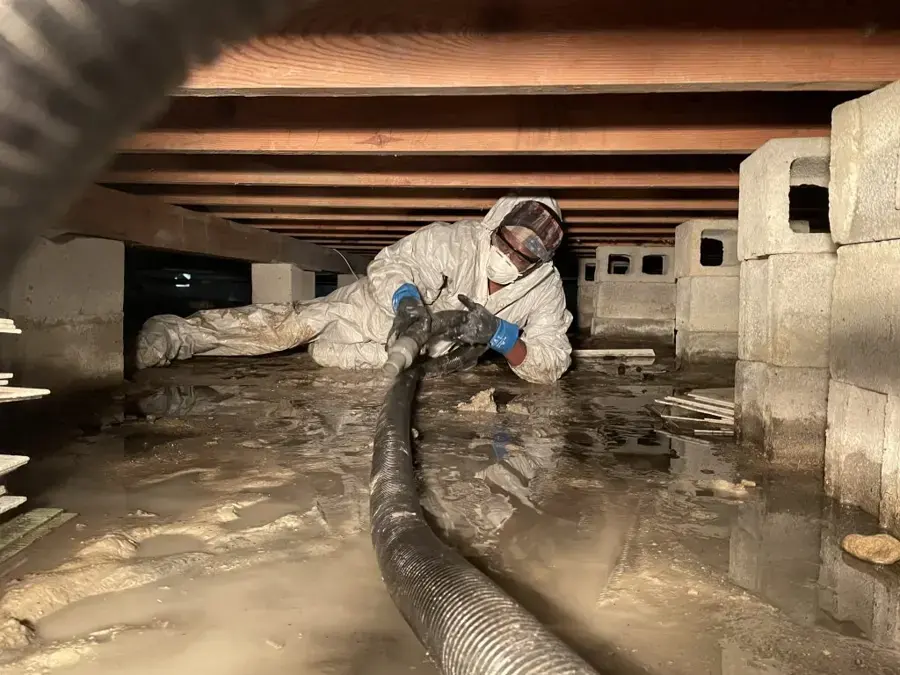
The extraction crew pumps standing water out from under the house, pulls the soaked vapor barrier and dries the joists and subfloor with a dehumidifier set in the crawl space.
First steps for crawl space water removal in Lancaster
Keep out of the crawl space if water sits near wiring, a furnace or a water heater, or if it smells like sewage.
If a pipe is leaking under the house, close the main valve and leave the access door shut until help arrives.
Note when the water showed up, after rain or with no rain at all, and call. That detail points to the source.
Water under a Lancaster house? Get it pumped out.
(888) 532-8921 Get the Lancaster crawl space pumpedHow crawl space water removal is handled in Lancaster
Water under a raised floor does slow damage. It soaks the vapor barrier, wets the joists and subfloor and raises humidity in the rooms above. The extraction crew starts with submersible pumps, then removes soaked barrier and fallen insulation so the framing can dry.
A dehumidifier set in the crawl space does most of the drying, with air movers aimed at the wettest joists. The drying team takes readings on the framing every day until it matches dry wood elsewhere in the house.
What does crawl space water removal cost in Lancaster, SC?
Crawl space water removal in Lancaster, SC typically costs $1,500 to $5,000, depending on how much water is under the house, how much barrier and insulation come out and how long the framing takes to dry.
Shallow water, clean source
- Pump-out and wet vacuum
- Crawl space dehumidifier
- Daily joist readings
Standing water and wet barrier
- Barrier and insulation removed
- Framing and subfloor drying
- New barrier after drying
Sewage or flood water
- Category 3 protocols
- Antimicrobial treatment
- Extended drying and documentation
Ranges are typical, not a quote: the water category, square footage, material class and how fast drying started move the number most. Run the Lancaster water damage cost calculator for a closer range.
The crawl space water removal process in Lancaster
Inspect
The tech who does the walkthrough checks the water depth, the source and any wiring or equipment in the crawl space.
Pump out
The extraction crew pumps and vacuums standing water and removes soaked vapor barrier and insulation.
Dry the framing
A dehumidifier in the crawl space and air movers on the wettest joists dry the framing and subfloor.
Verify and reset
The drying team confirms dry readings, then a new vapor barrier goes down and the loss is documented.
Why Lancaster crawl spaces take on water
Lancaster sits in the Piedmont, and the red clay under many houses drains slowly. Heavy rain from a summer storm pools against the foundation and seeps through block walls and vents.
- Grading: yards that slope toward the house send runoff underneath.
- Gutters and downspouts: water dumped beside the wall ends up in the crawl space.
- Plumbing: supply pipes, drains and water heater pans that leak under the floor.
- Freeze damage: pipes in a vented crawl space split in hard cold and leak at the thaw.
Water under the floor keeps the framing wet
Submersible pumps, a crawl space dehumidifier and daily readings get the joists back to dry.
Crawl space water removal, step by step
The crew works from the access door in, pumping and squeegeeing water toward the pump and bagging wet material on the way out.
- Standing water: pumped out with submersible pumps and a wet vacuum.
- Vapor barrier: torn or flooded plastic removed and replaced after drying.
- Insulation: fallen or soaked batts between the joists removed.
- Category check: sewage from a broken drain is handled as Category 3 with antimicrobial treatment.
Keeping the crawl space dry afterward
Once the framing is dry, the fix for repeat water is outside the house: grading, gutter extensions or a drainage system from a drainage contractor. The restoration contractor who responds documents what was wet and why, which helps with both the repair and any claim. Coverage depends on your policy, so check with your own insurer.
Crawl space water removal across Lancaster and Lancaster County
Lancaster Water Damage Restoration covers ZIP 29720, 29721, 29722 in Lancaster 24/7, from Downtown and the Main Street historic district to the Lancaster Mill area, Springdale, Elgin and Erwin Farm.
Nearby coverage reaches Van Wyck, Indian Land, Heath Springs, Kershaw, Fort Lawn, Great Falls, Pageland.
Every Lancaster neighborhood and ZIP covered ›Crawl Space Water Removal questions in Lancaster
How do I know if my crawl space has water?
Musty smells, soft or cupped floors, higher indoor humidity and standing water seen from the access door are the usual signs. The crawl space water risk check scores what you have noticed.
Can crawl space water damage the floors above?
Yes. Water under the house wets the joists and subfloor, which can cup hardwood and loosen tile. Drying the crawl space protects the floors above.
Does the vapor barrier have to be replaced?
A barrier that held standing water or tore during pumping is removed so the soil and framing can dry. A new barrier goes down once readings show dry.
How long does it take to dry a crawl space?
Most crawl spaces dry in three to seven days with a dehumidifier running underneath. Soaked joists, sewage and humid summer weather take longer.
Who fixes the drainage problem?
A drainage or foundation contractor handles grading, drains and sump systems. The restoration team removes the water and dries the framing.
Is crawl space water covered by insurance?
Water from a sudden pipe break is often covered, while ground water and long-term seepage often are not. Coverage depends on your policy, so check with your own insurer.