Rock Hill water damage worsens while it waits.
Water Damage Restoration in Rock Hill, SC
Crews pump out standing water, map the moisture and dry the structure to the IICRC S500 standard across Rock Hill, from Old Town and Oakdale to Ebenezer and Newport, with daily meter readings.
First steps when water enters a Rock Hill home
Stop the source if it is safe: close the shutoff for a broken pipe or switch off power to wet areas, and keep everyone out of rooms with sagging ceilings or sewage.
Photograph the damage first, lift small valuables and furniture legs off wet floors, keep household vacuums away from standing water, and note where it came from.
For a major water, sewer or electric problem, the City of Rock Hill asks customers to call Rock Hill Utilities before a plumber or electrician, while the crew starts extraction and drying.
Every kind of water loss in Rock Hill
From a ceiling stain to a creek-flooded ground floor, the work in Rock Hill falls into three groups: first-call water removal, pressure and freeze failures, and drying with hazard cleanup. Each card opens a page with the scope of work, typical cost ranges and notes written for Rock Hill property.
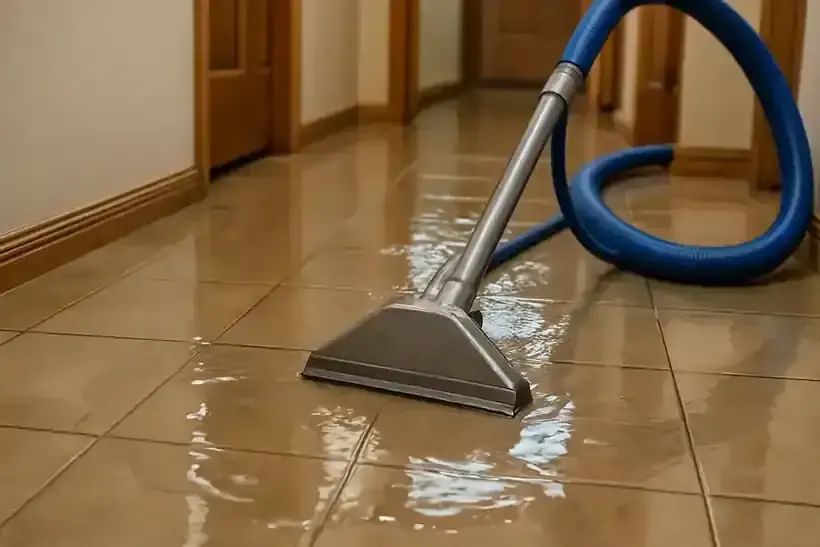
Water Extraction and Removal
Portable and truck-mounted extractors lift standing water from carpet, pad and subfloor, and moisture mapping decides what dries in place.
See the Rock Hill page ›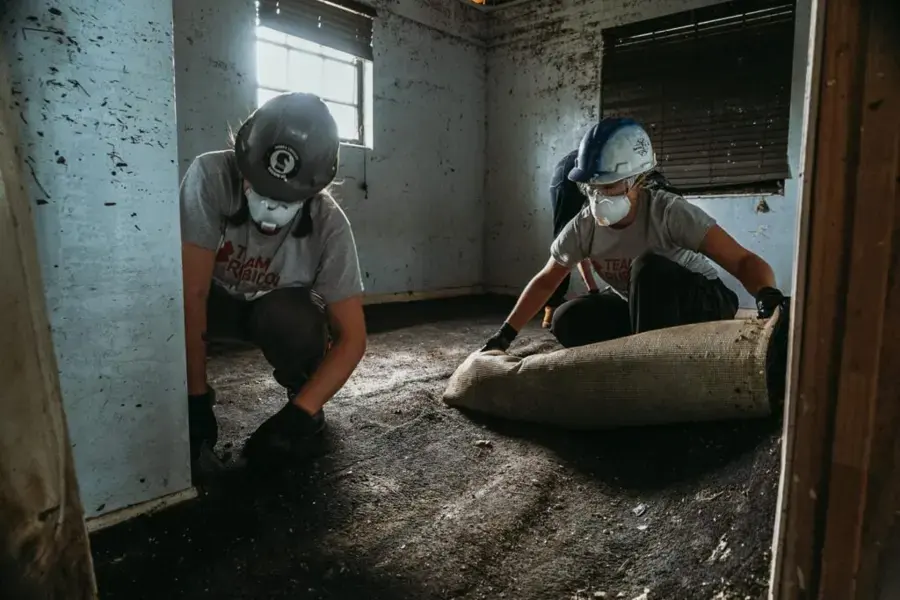
Storm and Flash Flood Cleanup
Creek overflow and flash flooding leave mud and Category 3 water, so cleanup covers mud-out, flood cuts and antimicrobial treatment.
See the Rock Hill page ›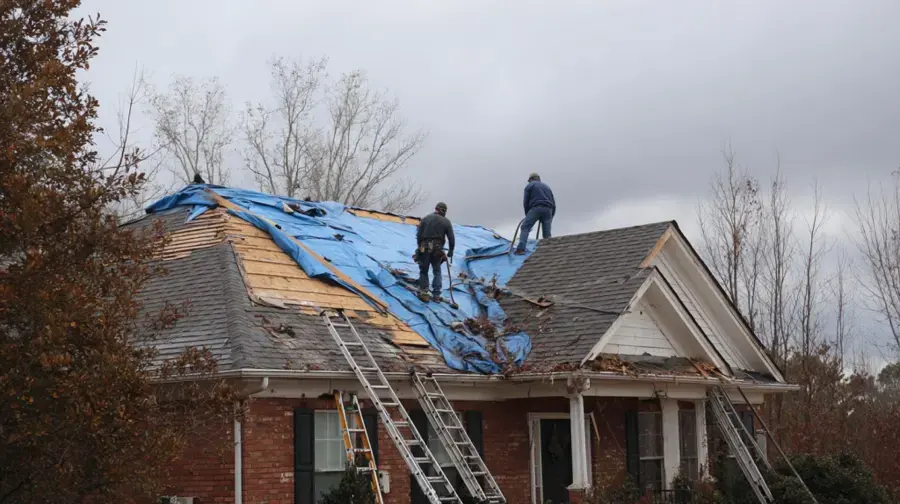
Roof Leak Water Damage
Hail and high wind open roofs to rain, and the leak work covers tarping, wet attic insulation, decking and ceilings below.
See the Rock Hill page ›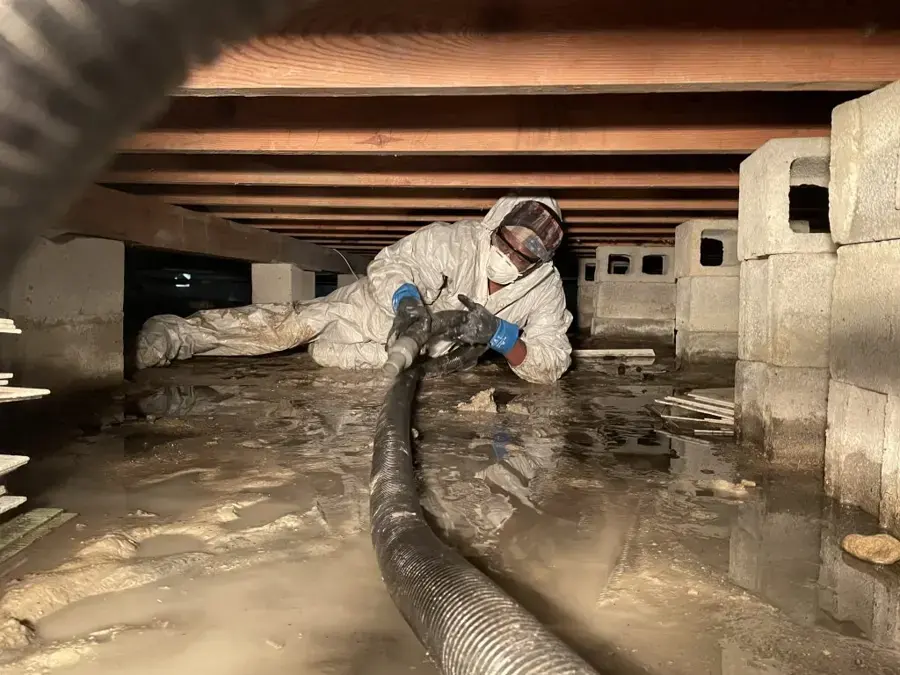
Crawl Space Water Removal
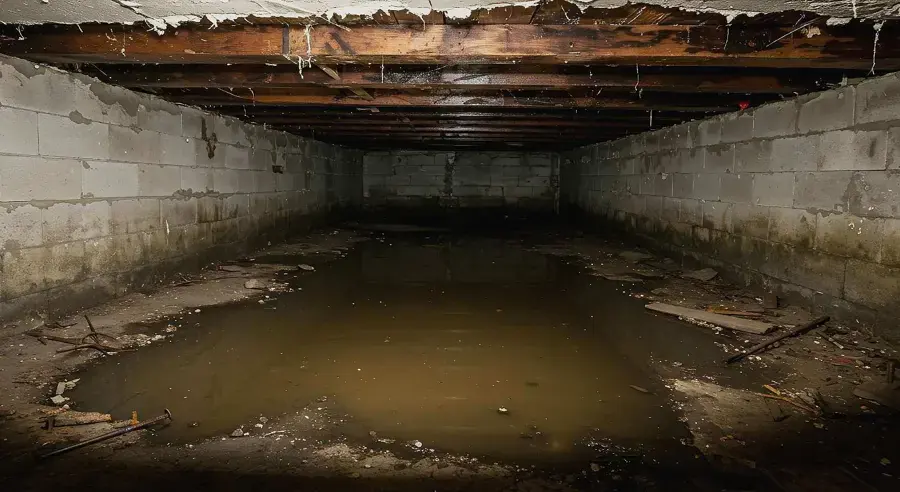
Standing water under a floor is pumped out, the barrier and wet insulation come out, and joists dry under a dehumidifier.
See the Rock Hill page ›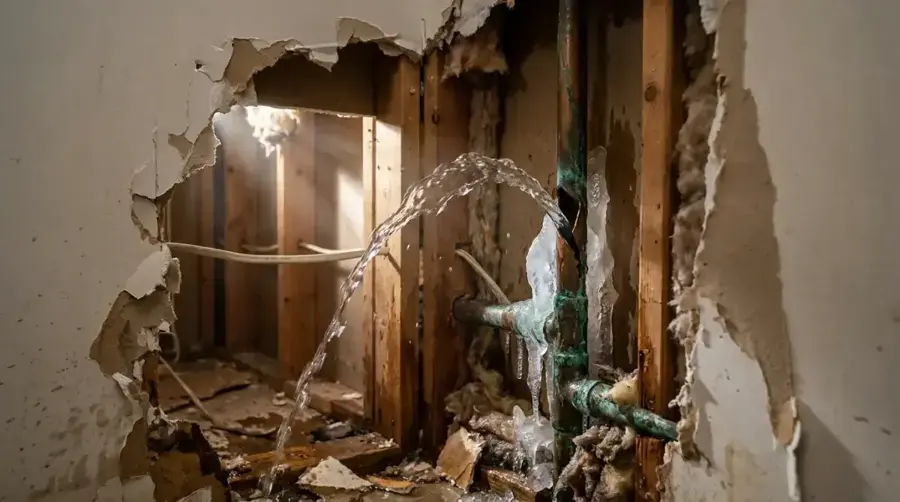
Burst Pipe Water Damage
A split supply pipe can soak walls, ceilings and floors before anyone notices, so the work finds the wet cavities and dries them.
See the Rock Hill page ›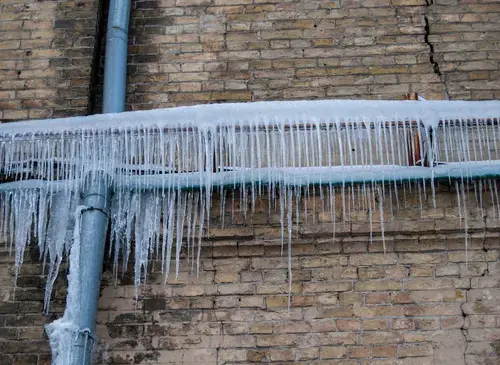
Frozen Pipe Water Damage
Freezing rain and snow can split pipes in unheated spaces, and the water often shows only after the thaw.
See the Rock Hill page ›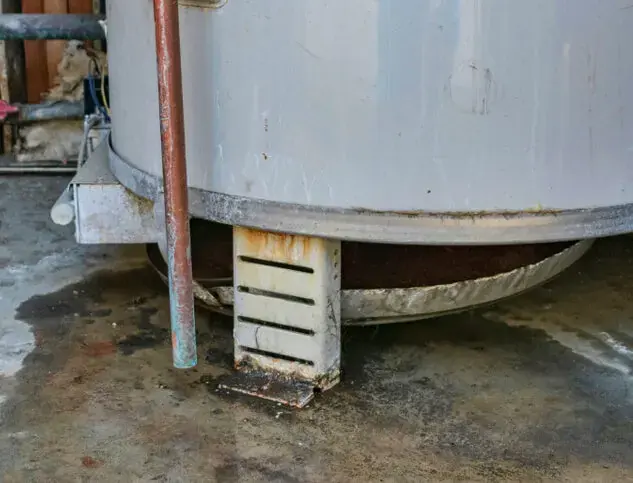
Water Heater Leak Cleanup
A leaking tank sends water across closet floors into nearby rooms, so extraction follows the wet path from the heater outward.
See the Rock Hill page ›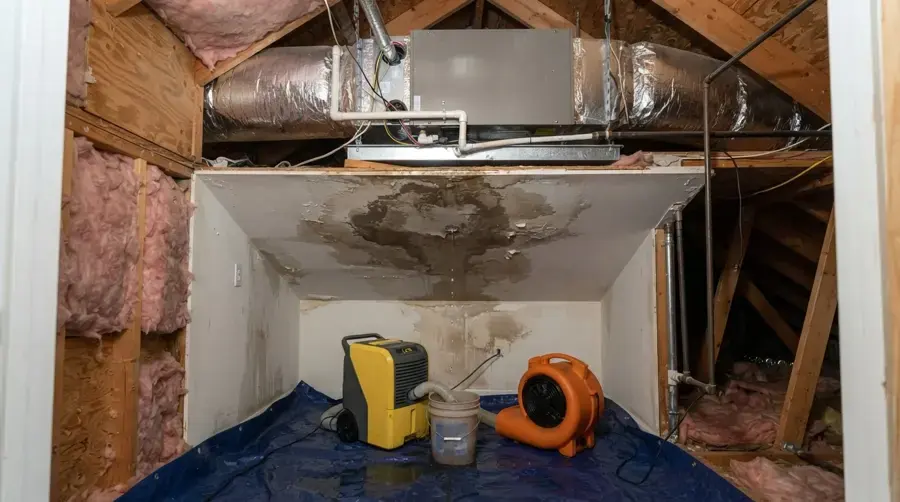
AC and Appliance Leak Cleanup
Slow drips from a condensate drain, dishwasher or washer hose soak cabinets and subfloors long before a stain appears.
See the Rock Hill page ›
Ceiling Leak Water Damage
A stained or sagging ceiling means trapped water, so the crew finds the source, drains the bulge and dries the joist bay.
See the Rock Hill page ›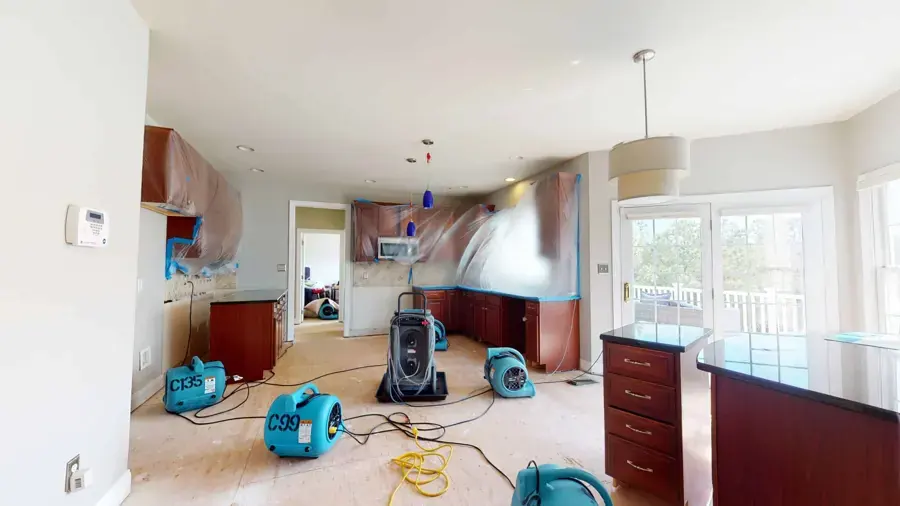
Structural Drying and Dehumidification
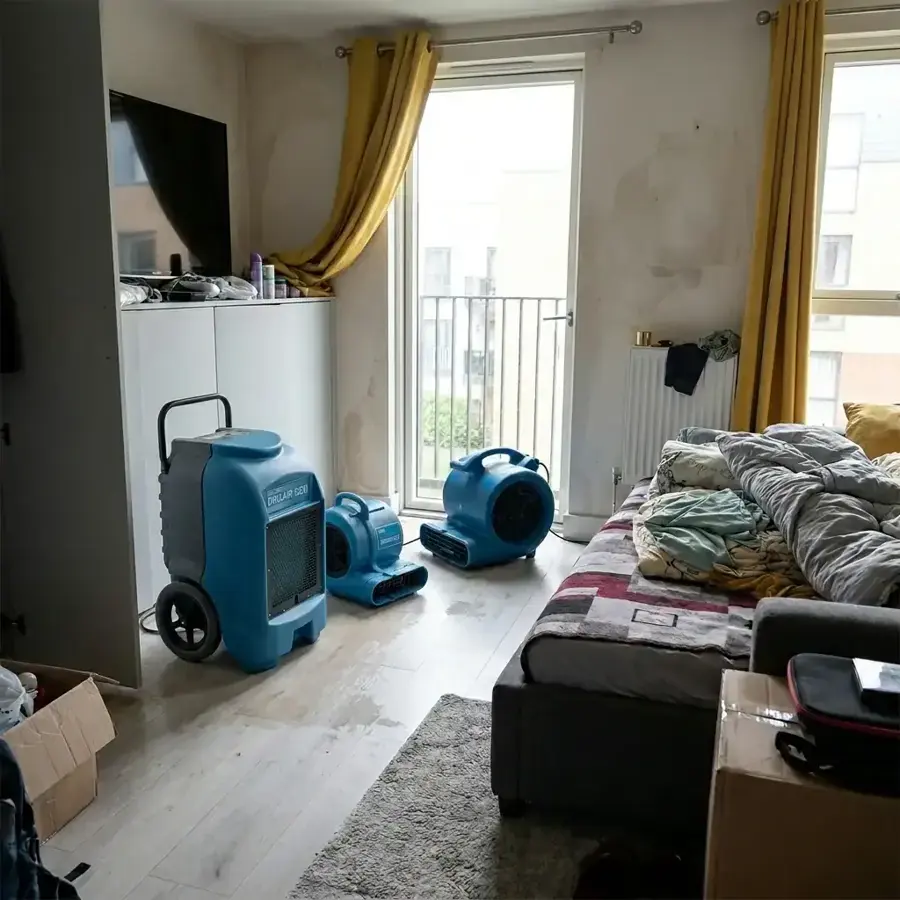
Air movers, LGR dehumidifiers and daily psychrometric readings dry framing, subfloors and walls until they meet the dry standard.
See the Rock Hill page ›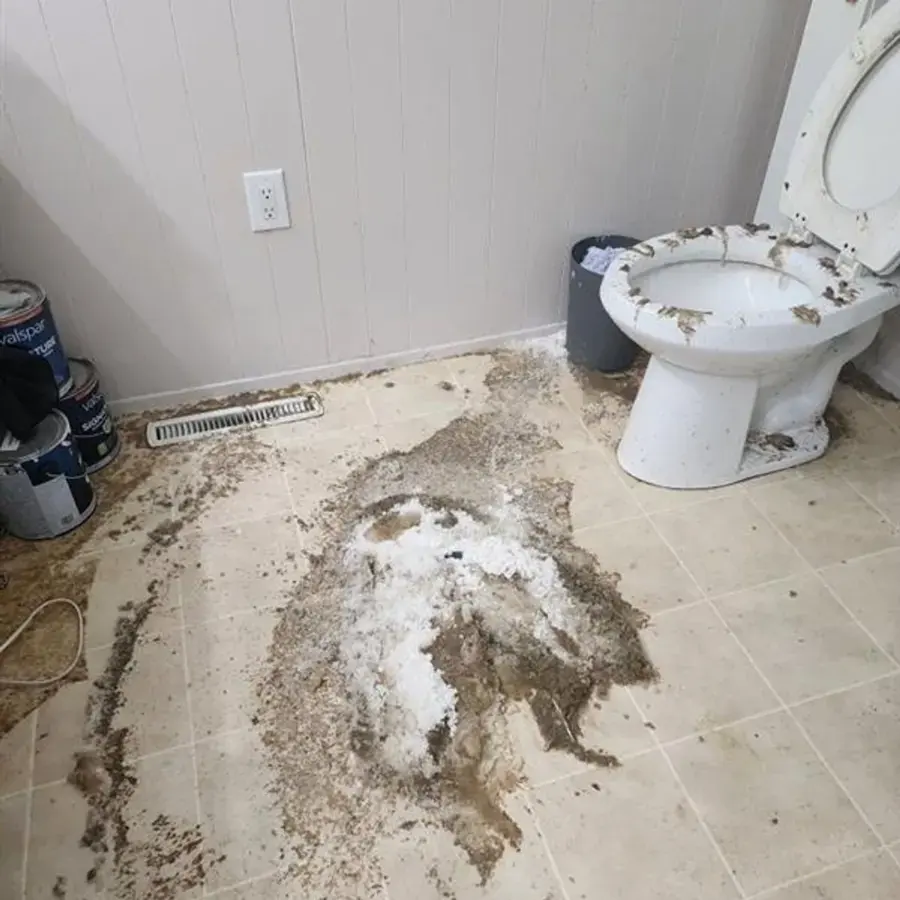
Sewage Backup Cleanup
Sewage in a tub, drain or toilet is Category 3 water, so cleanup removes porous materials and disinfects what stays.
See the Rock Hill page ›Commercial Water Damage
Shops, offices, church halls and apartment buildings get phased drying, daily reports and after-hours equipment checks.
Why the category of water changes the job
IICRC S500 sorts water by contamination, and the category decides what can be dried in place, what comes out, and which safety steps the crew follows in a Rock Hill home.
Category 1: clean water
Supply pipe breaks and failed tanks release clean water, and it stays that way only while drying starts early and soaked materials do not sit.
Burst pipe water damage ›Category 2: gray water
Dishwashers, washing machines and AC condensate carry some contamination, so pad and other porous materials usually come out while hard surfaces are cleaned and dried.
AC and appliance leaks ›Category 3: black water
Sewage and creek floodwater carry pathogens, so porous materials are removed, the area is contained and cleaned with EPA-registered antimicrobials, and the City is called first for major sewer trouble.
Sewage backup cleanup ›Rock Hill neighborhoods and ZIP codes served
Crews work across Rock Hill in York County, from Old Town and the historic districts to Oakdale, Ebenezer and Newport, serving ZIP codes 29730 and 29732 around the clock.
A property near these ZIP codes can still be covered, and the crew confirms the address on the call.
Downtown
North side
More neighborhoods
Landmarks and corridors
Nearby cities
A written process from first call to dry
Every Rock Hill job follows IICRC S500: identify the water category, map moisture before anything is removed, set equipment to a calculated plan, and log readings at each visit until wet framing, subfloor and drywall reach their dry goal.
Crew sent
A truck is loaded with extractors, air movers, LGR dehumidifiers and meters, and questions about the source shape the plan.
Source and map
The leak or flood path is found and stopped, then a meter map marks wet drywall, subfloor and framing before cutting.
Extract and protect
Standing water is pulled out, soaked pad and baseboards are removed, and contents are lifted clear of the wet floor.
Dry and record
Air movers and dehumidifiers run on a calculated layout while readings are logged each visit and equipment is moved as needed.
Hand off dry
Equipment leaves only after readings match the dry reference, and the final logs and scope go to the homeowner and adjuster.
Local crews, a written standard and claim-ready records
The work is built around three things: crews that know Rock Hill, a drying standard on paper, and records an adjuster can follow.
Rapid local response
Crews know the routes in, including I-77, US 21 and SC 5, and begin extraction as soon as gear is unloaded.
IICRC S500 drying standard
Equipment follows a calculated plan, and drying ends when meter readings reach the dry reference, not on a schedule.
Claim-ready documentation
Dated photos, moisture logs and an itemized scope show the adjuster what was wet and why.
Rock Hill water know-how
Creek rise, hail, ice and mixed housing ages shape how the crew plans a Rock Hill job.
What water damage restoration costs in Rock Hill
Small, clean-water jobs in Rock Hill usually run $600 to $2,000, larger losses across several rooms run $2,000 to $6,500, and sewage, creek flooding or structural damage start at $6,500 and up.
One room, clean source
- Standing water extracted from the floor
- Air movers set where the readings are wet
- Meter readings logged at each visit
Several rooms or wet walls
- Wet pad and baseboards removed
- Wall and subfloor cavities dried out
- LGR dehumidifiers running throughout the home
Gray or black water, large loss
- Porous materials removed and bagged
- Containment and air scrubbing in place
- Itemized scope prepared for the adjuster
These ranges are typical, not quotes. A firm scope comes after the moisture map, and the policy terms set what an insurer pays.
Working with your insurer
Water damage claims go smoother with clear records, so the crew photographs conditions, logs readings and writes an itemized scope that an adjuster can read.
Insurers often treat a sudden pipe failure, a storm opening, a slow leak and rising floodwater differently, so the crew records each cause. Check with your insurer before assuming a loss is covered.
- Photos of every wet area
- First visit moisture map
- Daily psychrometric logs
- Itemized scope and invoice
What a Rock Hill water damage job looks like
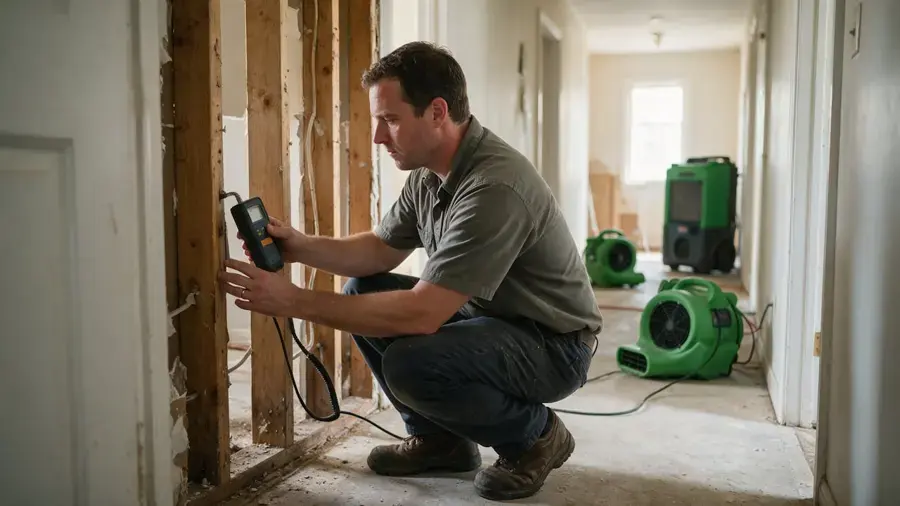
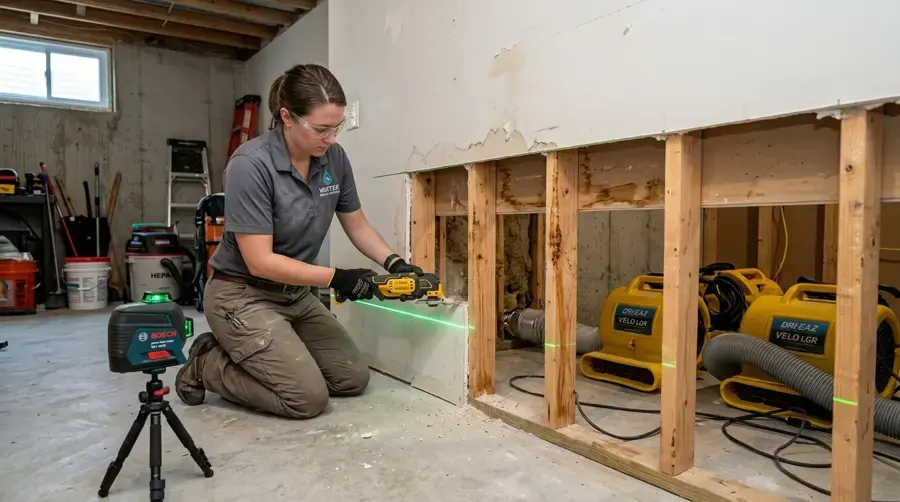
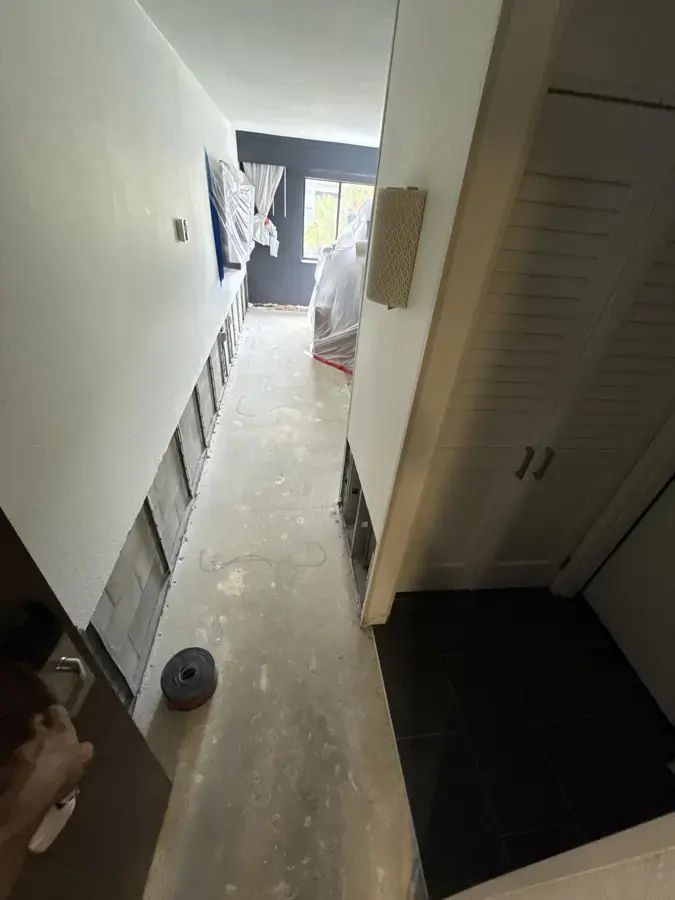
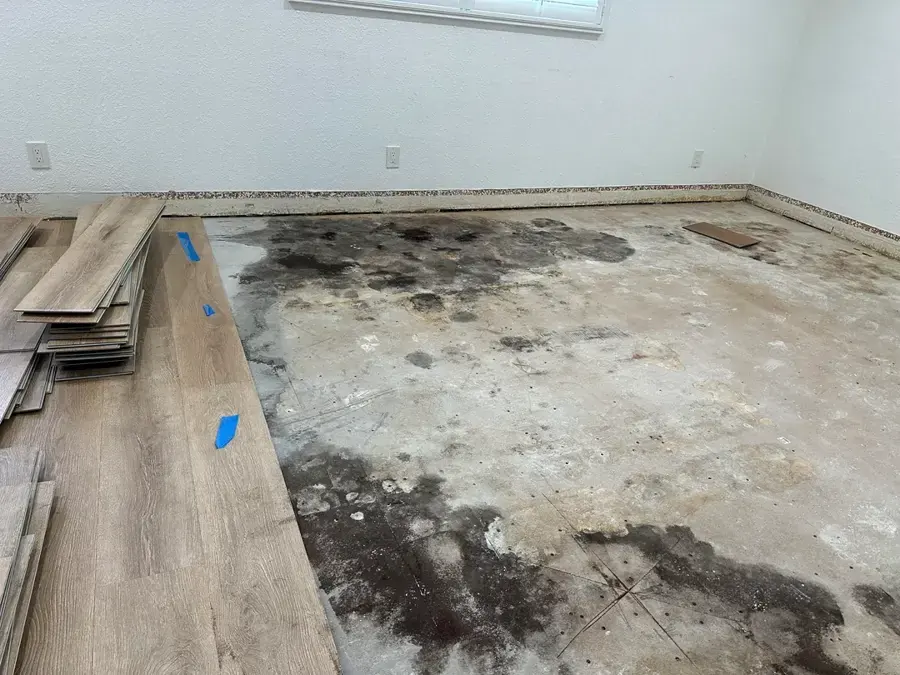
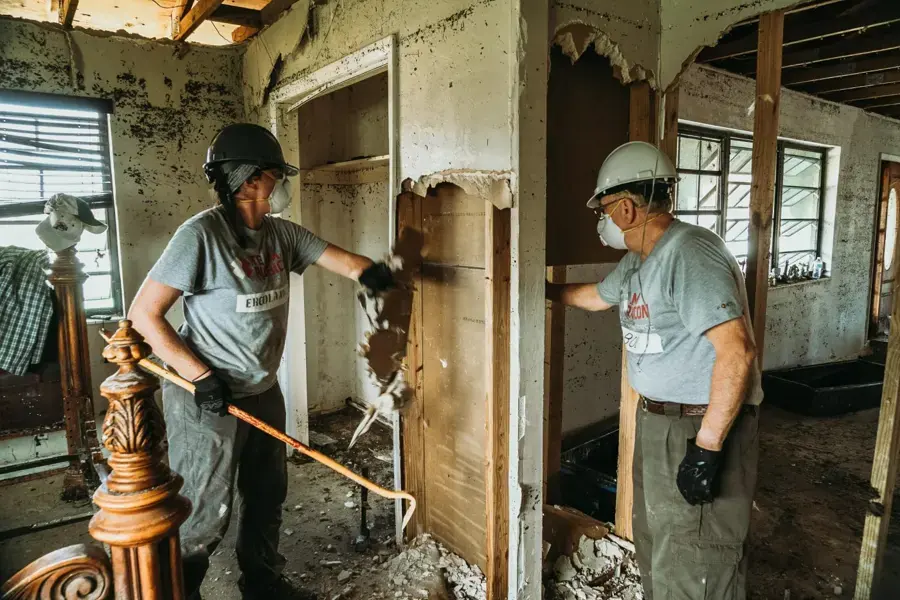
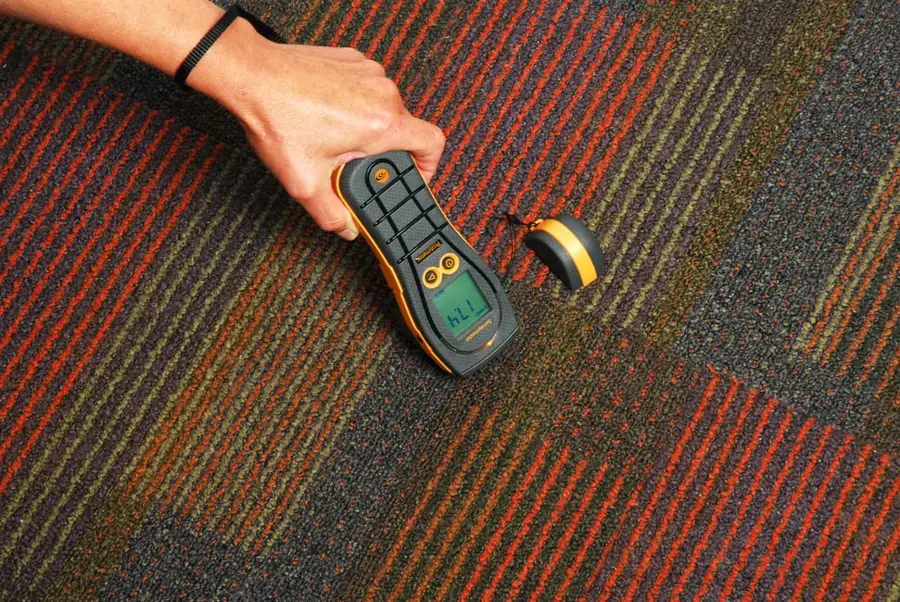
Eight photos show the tools and steps behind a typical job, from the first moisture reading to flood cuts, extraction, equipment and cleanup.
Where Rock Hill water trouble starts
Rock Hill sits in the Piedmont along the Catawba River, with Lake Wylie on its northern edge and named creeks across the city, so heavy rain, storms and winter weather all feed the kinds of water damage the crew sees in town.
Named creeks
Nine Rock Hill creeks have detailed flood studies, and Big Dutchman Creek crested at 11.45 feet on August 5, 2025, over an 11 foot minor flood stage.
Tropical Storm Debby
On August 8, 2024, record rain hit York County, with creek water over King Drive and yards flooded southwest of Rock Hill along Skyline Road.
Hail and wind
The April 20, 2024 storm brought estimated winds of 70 to 90 mph and hail from 2 to 2.75 inches, with roof damage along Highway 901 and Saluda Street.
Winter storms
Freezing rain left 0.25 inch of ice on January 10 to 11, 2025, and the January 31 to February 1, 2026 storm brought up to 8.8 inches of snow.
Mixed home ages
The median Rock Hill home dates to 1995, with about 43 percent built from 2000 on and about 37 percent before 1980.
Multi-unit buildings
Renters occupy 14,839 homes, and 10,224 units sit in buildings of 5 or more, where one leak can reach several households.
Rock Hill water damage questions
Does waiting make water damage worse?
Yes. Wet drywall, pad and framing keep absorbing moisture, and clean water can turn contaminated, so extraction and drying should start as early as possible. Meter readings, not the calendar, decide when drying is done.
Who should be called first for a major water problem?
The City of Rock Hill asks customers to call Rock Hill Utilities before a plumber or electrician, so the City can assess whether the problem is on the City side or the customer side. The crew handles drying either way.
How can a homeowner check for a hidden leak?
The City's leak advice suggests a two-hour meter test and says a noticeable drop in water pressure may point to a substantial leak. It also names outdoor spigots, irrigation, marshy ground and the crawl space as places to check.
Have Rock Hill creeks flooded property on record?
National Weather Service reports show it. Dave Lyle Boulevard east of Rock Hill was under up to 2 feet of running water on June 1, 2018, and Gallant Meadows had extensive yard flooding on August 5, 2025.
Does a roof leak mean the ceiling must come out?
Not always. A moisture map shows whether insulation, decking and drywall are wet. Soaked insulation and sagging drywall come out, and dry ceilings stay once a tarp stops the water. See roof leak water damage.
Can frozen pipes happen in Rock Hill?
Winter storms reach the city, including freezing rain on January 10 to 11, 2025, and a split pipe often leaks only after it thaws. Closing the main shutoff limits the damage while frozen pipe water damage is assessed.
Do apartments and commercial buildings need different handling?
Shared walls and ceilings let water move between units, and Rock Hill has 10,224 housing units in buildings of 5 or more units. Commercial jobs add phased drying zones, daily reports and work scheduled around business hours.
What does sewage in a home require?
Sewage is Category 3 water, so porous materials come out, the area is contained, and surfaces are cleaned with EPA-registered antimicrobials before drying. See sewage backup cleanup for the full scope.
Why do two similar jobs cost different amounts?
Cost follows the water category, the rooms involved, the materials removed and the equipment needed. A clean pipe break in one room sits near $600 to $2,000, while sewage or creek flooding starts at $6,500 and up.
How does the crew know drying is finished?
Readings on drywall, subfloor and framing are compared with a dry reference taken in an unaffected area, and the equipment stays until the numbers match. The logs then go to the homeowner and adjuster.